berd
- role
- Product exploration, Interaction design, Frontend engineering
- date
- 2026
- team
- Berd
- my part
- I built prototypes for agent identity and project spaces, then implemented the launch app’s 3D project cube and refined motion across key flows.
overview
The team released Berd as an open-source desktop application in August 2026. Goose remains the agent framework and runtime; Berd provides an environment for projects, context, sessions, agents, and configuration, with support for different harnesses.
This covers the 2026 explorations that led there, and the launch work I implemented.
agents and identity
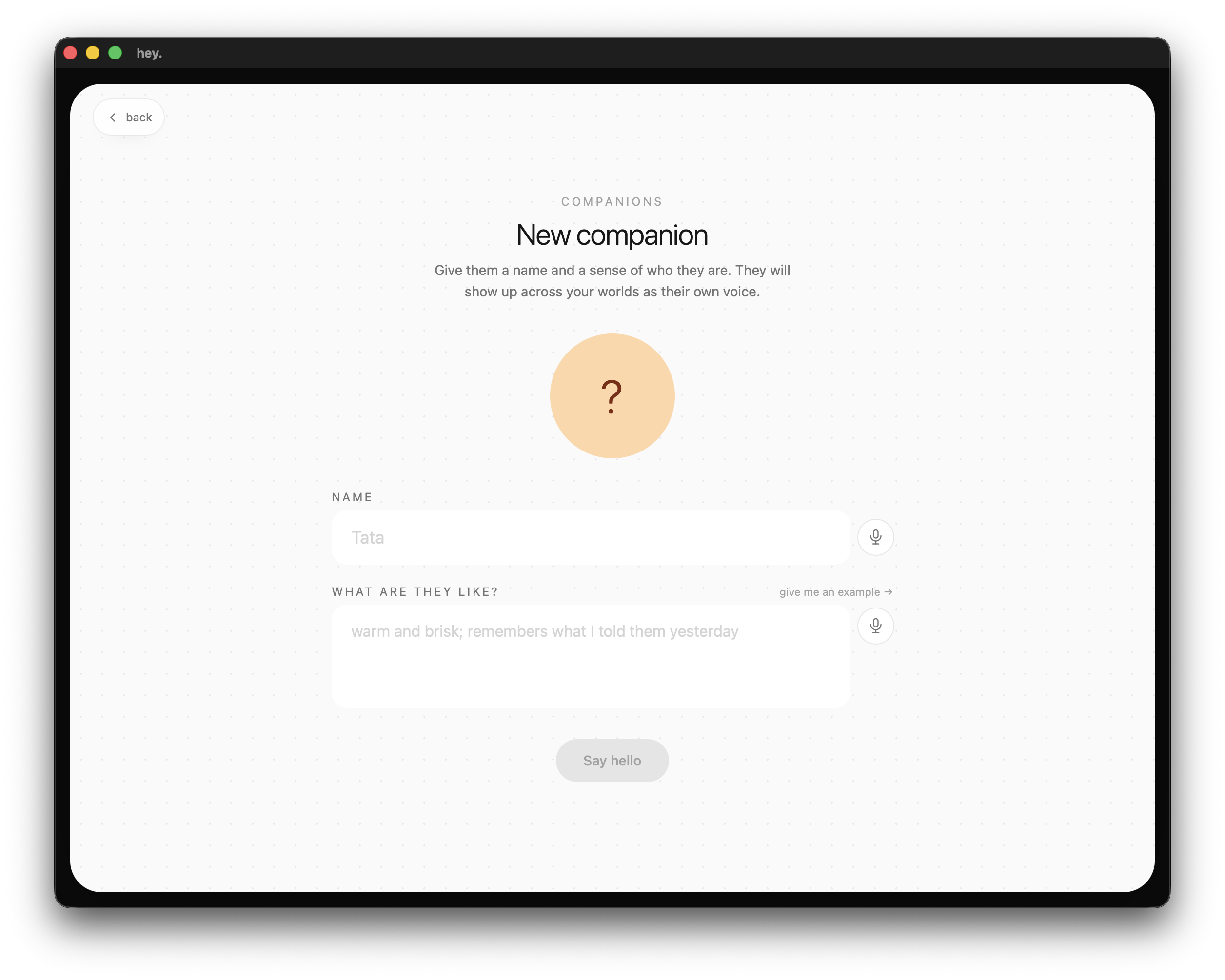
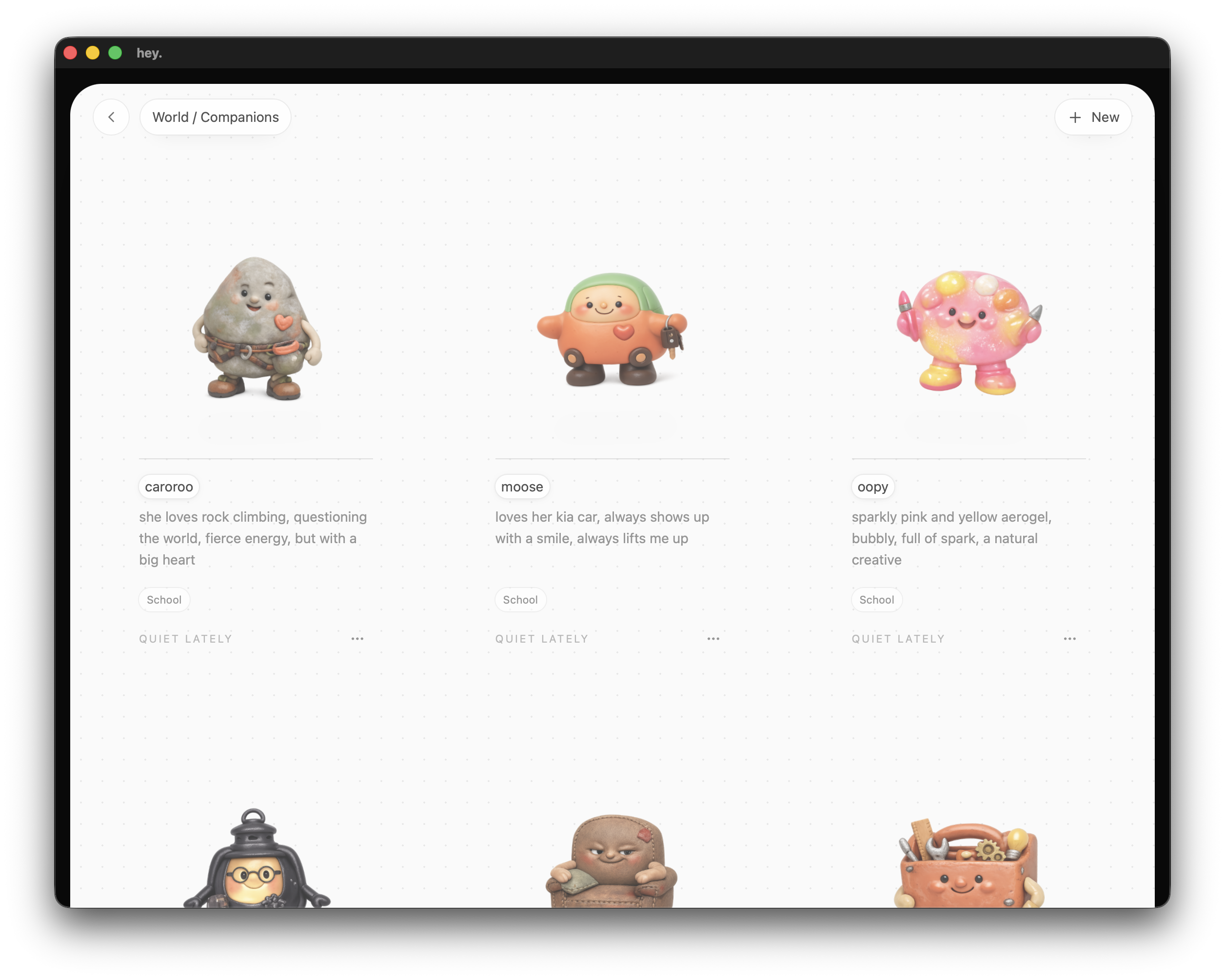
By 2026, we were working through how much shape an agent should have, and how that shape should relate to the context around it. I built a separate prototype beside the internal app so we could test identity: names, character descriptions, avatars, and “worlds.”
The companion flow asked for a name and character description, then turned that input into a visible agent identity. The collection made the agents feel less like saved prompts and more like companions someone could return to.
worlds
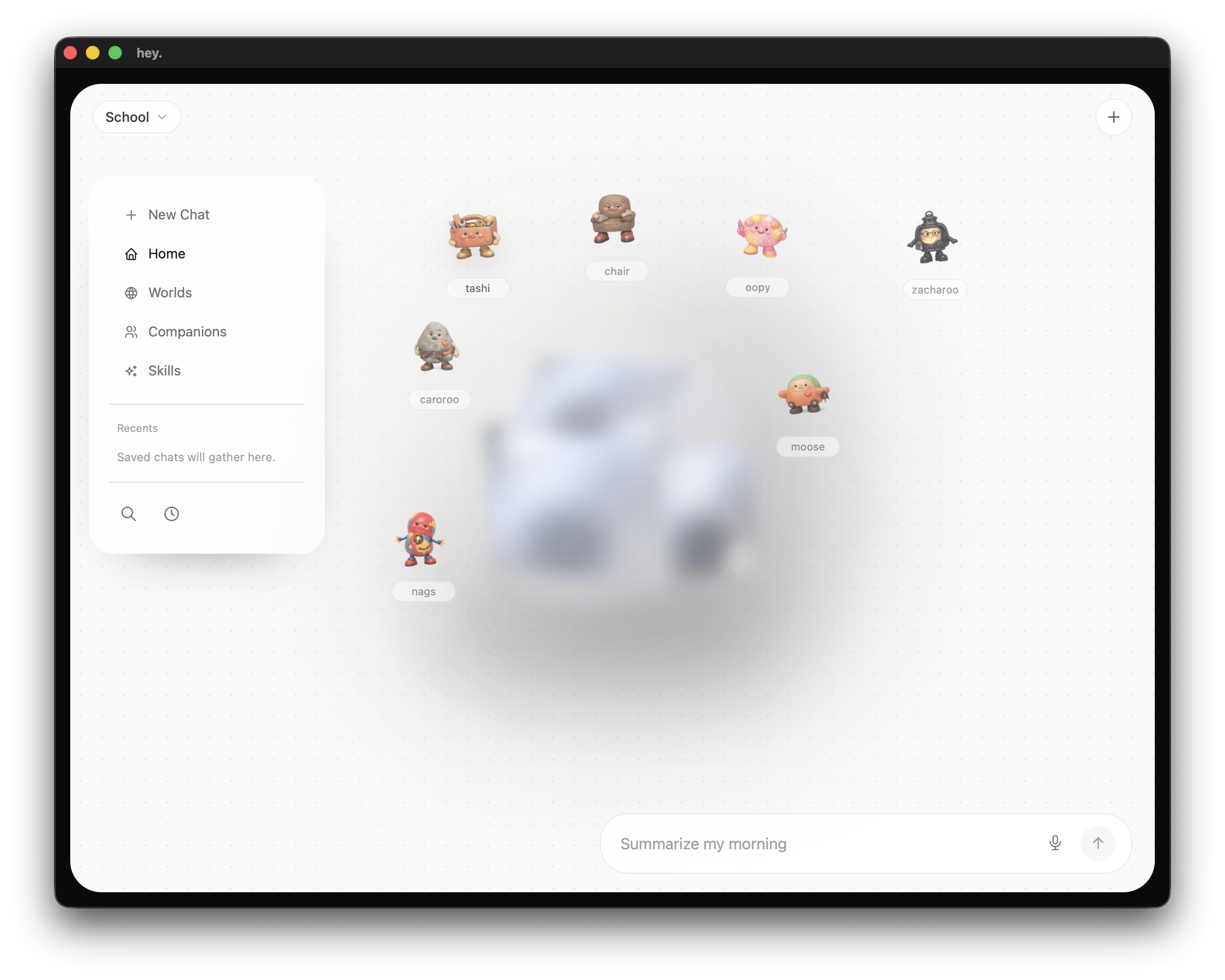
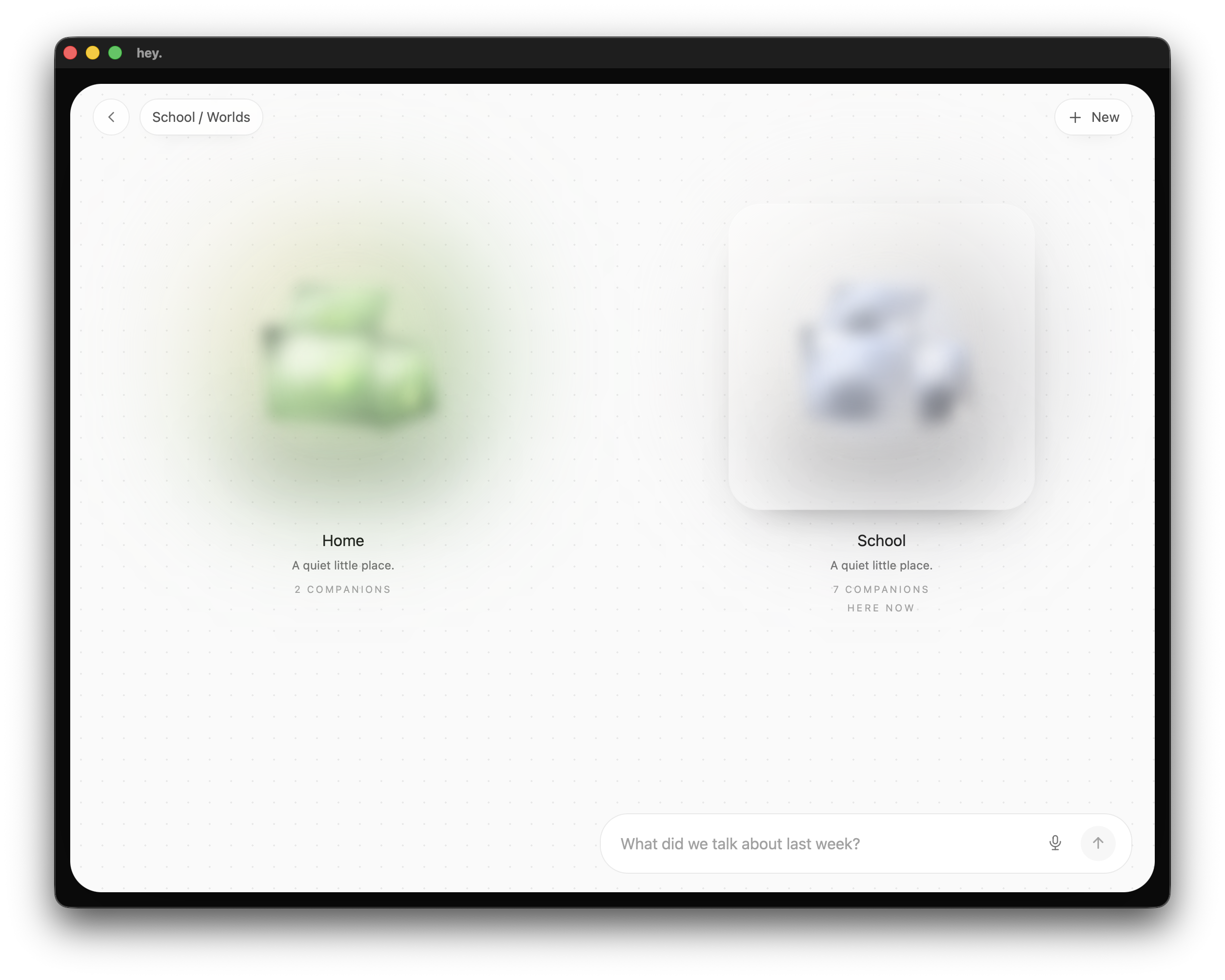
With worlds, we explored how someone could keep an agent’s memory focused on a topic or project. We imagined each world growing and changing visually as its memory developed.
We built and tested visual explorations to make the idea concrete. Working memory and adaptive growth were outside the MVP scope; the screenshots show the interface concept.
project cube and motion
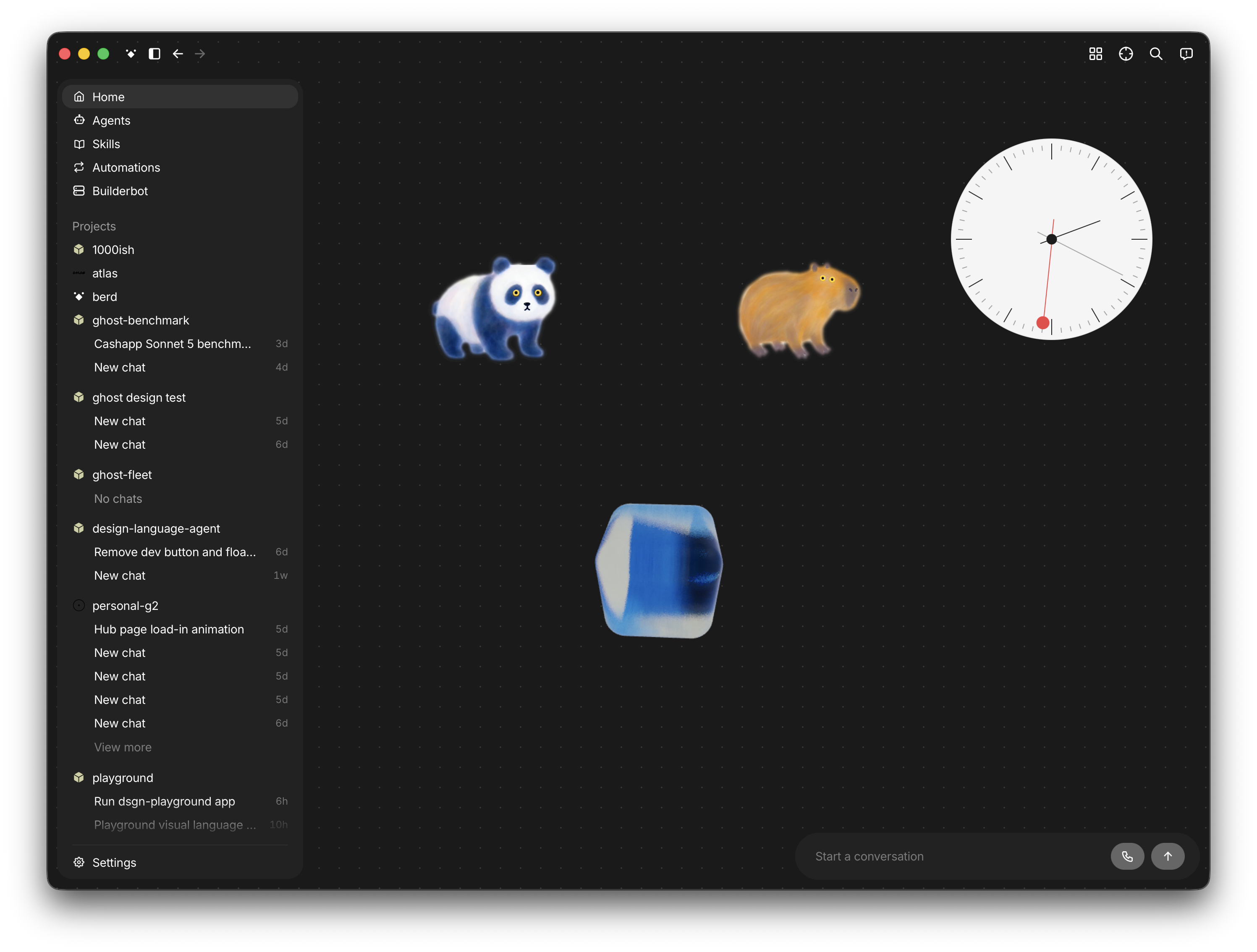
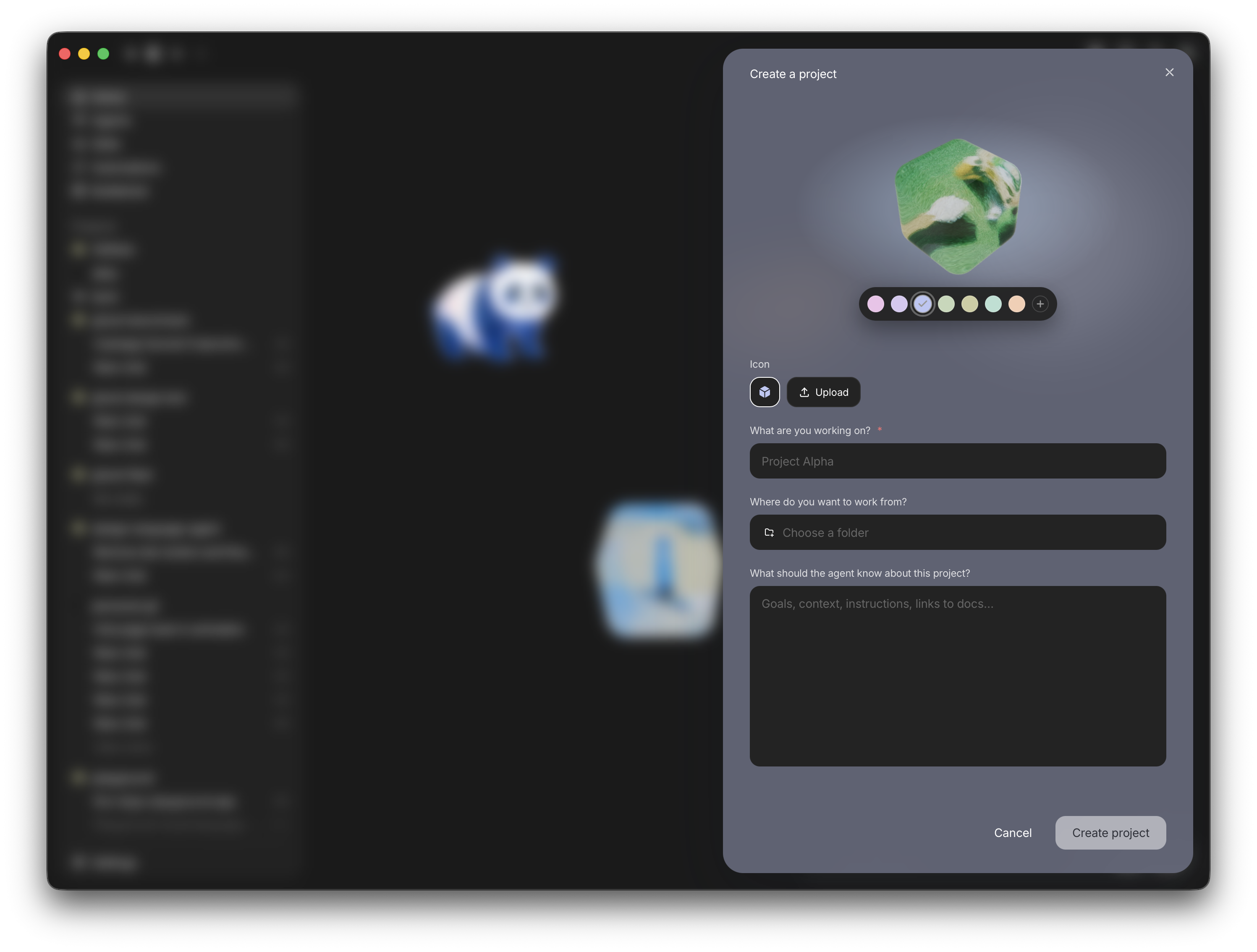
I implemented the 3D project cube: a glass artifact with images inside, tinted by the project’s color. It is the hero when creating a project and a pin on Home. Drag orbits it; pointer movement on Home gives it a short spin.
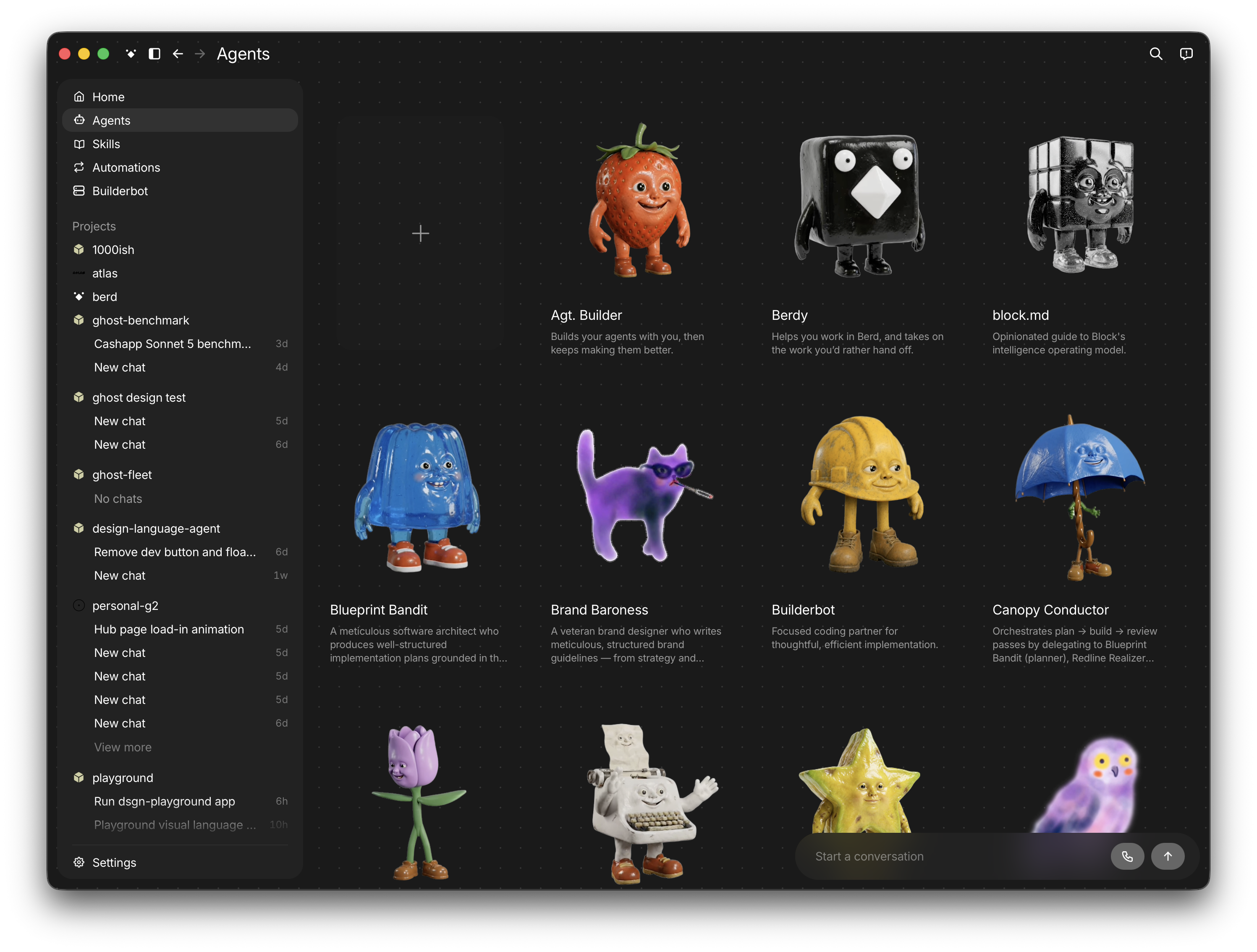
I also tuned motion around launch: agent builder and profile transitions, avatar editing, the skills grid, and the create-project and add-agent panels.
The screenshots below show the app the team launched. The team’s account of building Berd covers the broader design effort.